How to Choose the Right Diesel Tank Gauge for Your Fuel Management Needs
Understanding Diesel Tank Gauges
What is a Fuel Level Gauge for Diesel Tanks?
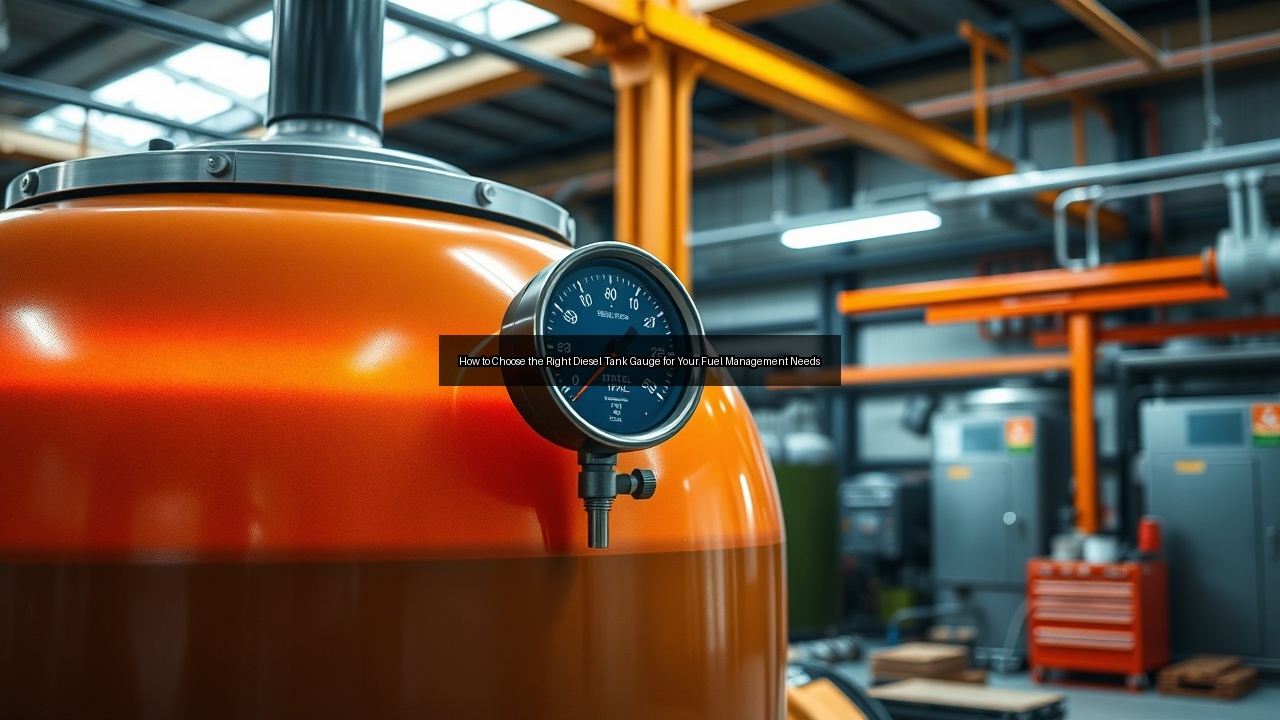
A fuel level gauge for diesel tanks is an essential device that provides real-time measurement of the fuel level within a tank. These gauges help operators monitor diesel fuel levels accurately, ensuring efficient fuel management and preventing unexpected outages. They come in various designs, from simple float-based systems to advanced electronic sensors that connect to digital displays. Regardless of the type, a reliable gauge enhances the operational efficiency of diesel engines by providing critical data necessary for maintaining fuel supply and optimizing usage.
Types of Diesel Tank Gauges
Different types of diesel tank gauges cater to various operational needs. Mechanical gauges, which use a float mechanism, offer a straightforward way to check fuel levels visually. They are often easy to install and maintain but may lack precision. Electronic gauges, on the other hand, use sensors and transmit data to digital displays, providing accurate readings that can be integrated into fuel management systems. Ultrasonic gauges utilize sound waves to measure the distance from the sensor to the fuel surface, offering non-contact measurement that minimizes wear and tear. Each type has distinct advantages, making the selection process crucial to meeting specific fueling requirements.
Importance of Accurate Fuel Measurement
Accurate fuel measurement is vital for efficient operations. Incorrect readings can lead to over or under-fueling, causing operational disruptions and financial losses. For businesses reliant on diesel engines, such as transportation and construction, understanding fuel levels ensures timely refueling and enhances budgeting processes. Moreover, precise monitoring helps in tracking fuel consumption patterns, identifying potential leaks, and preventing environmental hazards. In summary, investing in a reliable fuel level gauge for diesel tanks directly influences operational efficiency and cost-effectiveness.
Factors to Consider When Choosing a Diesel Tank Gauge
Compatibility with Diesel Fuel Types
When selecting a diesel tank gauge, compatibility with various diesel fuel types is essential. Different diesel formulations, such as clear diesel or biodiesel blends, can impact the gauge's performance. Some gauges are designed specifically for certain types of fuels, while others offer versatility across multiple formulations. It's critical to choose a gauge that can accurately measure the specific type of diesel used in your tanks. This consideration not only ensures accuracy but also extends the lifespan of the gauge, reducing the likelihood of malfunctions and costly replacements.
Measurement Accuracy and Reliability
Measurement accuracy and reliability stand as pivotal factors in choosing a diesel tank gauge. An inaccurate gauge can lead to fuel waste, operational inefficiencies, and increased costs. Look for gauges with high precision ratings and positive customer reviews regarding their reliability. Opt for models that offer calibration options to ensure continued accuracy over time. Investing in a reliable gauge means fewer interruptions and a smoother fueling process, ultimately leading to better management of diesel resources.
Cost-Effectiveness and Budget Considerations
Cost plays a significant role when selecting a diesel tank gauge. While it may be tempting to choose the lowest-priced option, consider the long-term value of your investment. Cheaper gauges may lack the accuracy or durability needed for consistent performance. Evaluate the total cost of ownership, including installation, maintenance, and potential replacement costs. A slightly more expensive, high-quality gauge might offer better accuracy and reliability, resulting in lower overall expenses related to fuel management. Balancing initial costs with long-term value ensures a wise investment in your fuel management system.
Installation and Maintenance of Diesel Tank Gauges
Step-by-Step Installation Guide
Installing a diesel tank gauge requires careful attention to detail to ensure accurate readings and optimal performance. Start by gathering all necessary tools and components, including the gauge, mounting hardware, and any additional wiring for electronic models. Begin the installation by securing the gauge to the tank in the designated opening, typically at the top or side. For mechanical gauges, ensure the float mechanism moves freely without obstruction. For electronic gauges, connect the wiring according to the manufacturer’s instructions, ensuring secure connections to prevent malfunctions. Once installed, test the gauge by filling the tank and verifying that it provides accurate readings throughout the fuel level range.
Regular Maintenance Tips for Longevity
Regular maintenance of diesel tank gauges extends their lifespan and ensures consistent performance. Periodically check for any physical damage or corrosion, especially in areas exposed to moisture or harsh conditions. For mechanical gauges, inspect the float mechanism for obstructions or wear. Electronic gauges may require software updates or recalibration to maintain accuracy. Additionally, clean the exterior of the gauge to prevent dirt buildup, which can affect visibility and functionality. Schedule routine inspections to catch issues early, ensuring your gauges remain reliable components of your fuel management system.
Troubleshooting Common Issues
Even the best diesel tank gauges may encounter issues. Common problems include inaccurate readings, electrical malfunctions, or physical blockages. For inaccurate readings, first, check for calibration settings. If the gauge is electronic, inspect the wiring for loose connections or damage. Mechanical gauges may require cleaning or adjustments to the float mechanism. For gauges that fail to respond, ensure power is supplied and the installation is secure. Keeping a troubleshooting guide handy can help quickly resolve issues, minimizing downtime and maintaining effective fuel management.
Enhancing Fuel Management with the Right Gauge
Integrating Gauges with Fuel Management Systems
Integrating diesel tank gauges with comprehensive fuel management systems streamlines operations and enhances efficiency. Modern fuel management systems allow for seamless data collection from gauges, providing real-time information on fuel levels, consumption rates, and more. This integration enables operators to make informed decisions based on accurate data, optimizing fuel usage and minimizing waste. By leveraging technology, businesses can improve their overall fuel management, leading to cost savings and increased operational efficiency.
Benefits of Real-Time Monitoring
Real-time monitoring of diesel fuel levels transforms the way businesses manage their fuel resources. With immediate access to data, operators can track consumption patterns, predict refueling needs, and identify anomalies that may indicate leaks or theft. This proactive approach not only enhances operational efficiency but also helps in maintaining compliance with environmental regulations. Businesses that implement real-time monitoring often experience improved decision-making capabilities and greater control over their fueling processes, leading to significant cost reductions and resource optimization.
Case Studies: Successful Fuel Management Solutions
Numerous businesses have successfully implemented diesel tank gauges to enhance their fuel management solutions. For instance, a large logistics company integrated electronic gauges with their fleet management system, resulting in a 20% reduction in fuel costs within the first year. By monitoring fuel levels in real time, they optimized routes and reduced unnecessary idling. Similarly, a construction firm adopted ultrasonic gauges to monitor fuel usage across multiple job sites, leading to better tracking of equipment usage and more accurate budgeting. These case studies illustrate the significant benefits of selecting the right fuel level gauge for diesel tanks in achieving effective fuel management.