Wind Turbines and the Essential Role of Lubrication
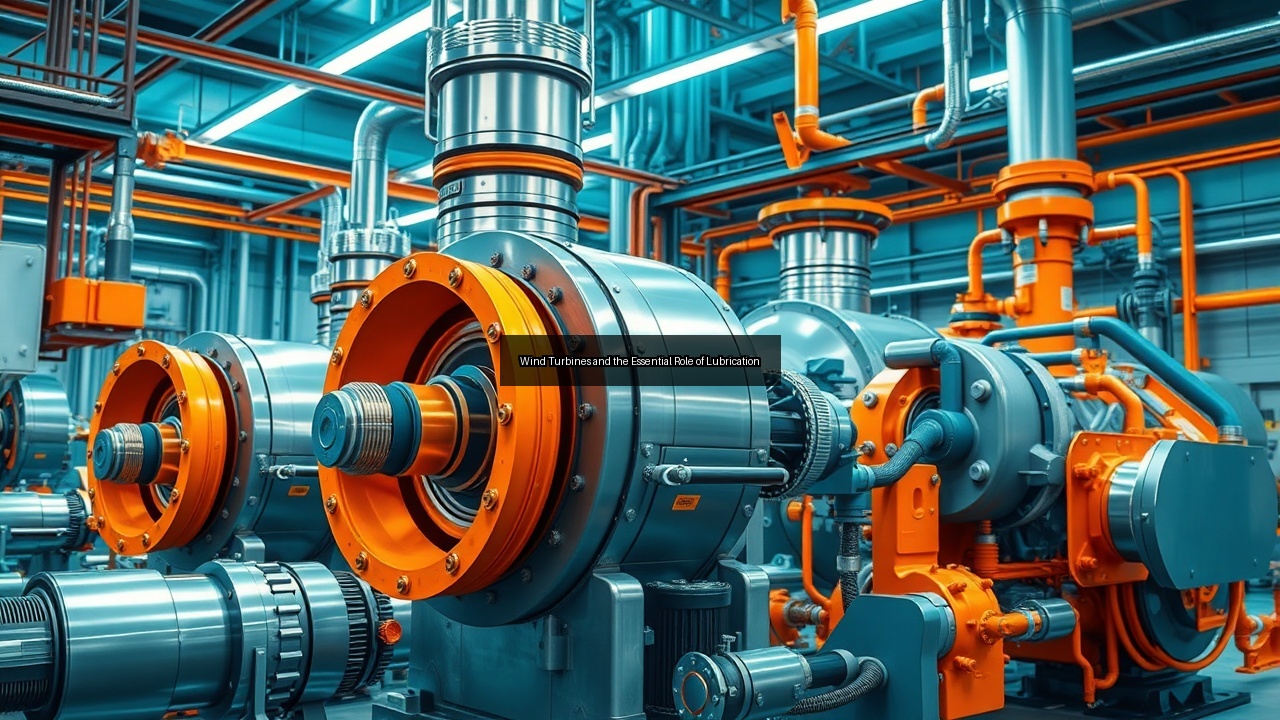
The Importance of Lubrication in Wind Turbines
Understanding Power Generation Lubrication
Power generation lubrication plays a critical role in the operation of wind turbines. These massive machines convert kinetic energy from the wind into electrical energy, but this process relies heavily on the efficiency of their lubrication systems. Proper lubrication minimizes friction between moving parts, reduces wear and tear, and enhances the longevity of turbine components. Lubricants such as oils and greases ensure that the gearbox, bearings, and other essential parts operate smoothly under varying conditions. Without effective lubrication, the risk of mechanical failure increases significantly, leading to potential downtime that hampers energy generation and affects overall productivity.
Impact on Uptime and Reliability
Uptime and reliability are paramount in the competitive field of power generation. Wind turbines must operate continuously to maximize electricity production and minimize costs. Effective lubrication directly influences these factors. A well-maintained lubrication system prevents overheating and mechanical failures, leading to fewer breakdowns and lower maintenance costs. This high level of reliability allows power plants to maintain consistent energy output, which is especially crucial for meeting demand during peak periods. Additionally, reliable lubrication systems contribute to the overall efficiency of the turbines, ensuring that they deliver optimal performance even in challenging environments.
The Role of Lubricants in Turbine Efficiency
Lubricants significantly enhance turbine efficiency by reducing friction and wear among moving parts. High-quality turbine oils and greases facilitate smoother operation, which leads to better energy conversion rates. Advanced lubricants can withstand extreme temperatures and pressures, ensuring consistent performance in a variety of climates. Furthermore, the right lubricants contribute to cleanliness within the lubrication system, preventing the buildup of varnish that can compromise performance. By optimizing lubrication, power generation facilities can achieve higher energy output and improved efficiency, translating into better profitability and sustainability in the long term.
Types of Lubricants Used in Wind Turbines
Oils vs. Greases: Which is Best for Wind Turbines?
Choosing between oils and greases for wind turbine lubrication depends on the specific application and operational requirements. Oils are typically used in high-speed applications, such as gearboxes, where they can flow freely and provide effective cooling. They offer excellent properties for heat dissipation and can be easily circulated through the lubrication system. On the other hand, greases are ideal for slower-moving components, such as bearings, where they can adhere to surfaces and provide long-lasting lubrication. Greases also provide an advantage in environments prone to contamination, as they offer a thicker barrier against dust and moisture. Understanding the unique needs of each turbine component is essential for selecting the most suitable lubricant.
Condition Monitoring and the Choice of Lubricants
Condition monitoring has become crucial in the effective management of lubrication systems in wind turbines. Regular analysis of lubricant performance can reveal valuable insights into the health of the equipment. By monitoring parameters such as viscosity, contamination levels, and wear particles, operators can make informed decisions about lubricant selection and maintenance schedules. This proactive approach minimizes the risk of unexpected failures, enhances uptime, and ensures that the turbines continue to operate at peak efficiency. Implementing condition monitoring not only helps in optimizing lubricant usage but also plays a vital role in extending the lifespan of turbine components.
The Role of OEM Recommendations in Lubricant Selection
Original Equipment Manufacturer (OEM) recommendations are essential in the selection of lubricants for wind turbines. OEMs design turbines with specific components and operating conditions in mind, and they often provide guidelines on the types of lubricants that best suit their equipment. Following these recommendations ensures that operators use products formulated to meet the unique demands of the turbines, which can significantly affect performance and reliability. Additionally, adhering to OEM specifications helps in maintaining warranty coverage and reducing the risk of costly repairs due to inappropriate lubricant use. Thus, aligning lubricant choices with OEM guidelines is a strategic practice for maintaining optimal turbine performance.
Challenges in Lubrication Systems for Wind Turbines
Environmental Factors Affecting Lubrication
Wind turbines operate in diverse environments, which can pose significant challenges for lubrication systems. Factors such as temperature fluctuations, humidity, and exposure to contaminants can affect lubricant performance and longevity. For instance, extreme cold can cause oils to thicken, reducing their ability to flow and lubricate effectively. Similarly, high humidity may lead to water contamination, compromising lubricant integrity. Moreover, dust and debris can infiltrate lubrication systems, leading to wear and varnish formation. Operators must consider these environmental factors when selecting lubricants and designing lubrication systems to ensure optimal performance and reliability in various climates.
Varnish Formation and Its Impact on Maintenance Costs
Varnish formation presents a significant challenge in the maintenance of wind turbine lubrication systems. This sticky residue can accumulate within lubrication circuits, leading to restricted flow and diminished lubricant effectiveness. When varnish builds up in critical components such as bearings and gearboxes, it can result in increased friction, overheating, and ultimately, mechanical failure. The presence of varnish not only escalates maintenance costs but also leads to unplanned downtime, disrupting electricity generation. Implementing effective lubricant filtration and condition monitoring can mitigate varnish-related issues, helping to maintain system cleanliness and reduce overall maintenance expenses.
Inventory Management of Lubricants in Power Plants
Efficient inventory management of lubricants is crucial for the smooth operation of power plants. Maintaining adequate stock levels of the right lubricants ensures that turbines receive timely maintenance without delays. However, overstocking can lead to increased costs and potential degradation of lubricant quality over time. Operators must balance the need for readily available lubricants with the risks associated with excess inventory. Implementing a robust inventory management system that tracks usage rates and forecasts future needs can enhance operational efficiency. This strategic approach not only optimizes costs but also ensures that the necessary lubricants are always on hand to support uninterrupted power generation.
Innovation in Lubrication Technologies for Power Generation
Advancements in Turbine Oils for Wind and Gas Turbines
Innovation in lubrication technologies has greatly enhanced the performance of turbine oils used in wind and gas turbines. Recent advancements focus on developing synthetic oils that offer superior thermal stability, reduced volatility, and improved resistance to oxidation. These high-performance turbine oils can effectively withstand the harsh conditions encountered in power generation, providing extended service life and enhanced protection against wear. Additionally, new formulations are being designed to minimize environmental impact while maximizing efficiency. Such innovations promise to boost the reliability and efficiency of turbines, leading to increased energy production and generation lubricants lower operational costs.
The Future of Lubrication in Hydro and Nuclear Energy Plants
The future of lubrication in hydroelectric and nuclear energy plants looks promising as technological advancements continue to evolve. Emerging solutions, such as smart lubricants equipped with condition-monitoring capabilities, can provide real-time insights into the health of lubrication systems. These smart lubricants can adjust their properties based on operational conditions, optimizing performance and extending equipment life. Furthermore, the ongoing pursuit of sustainability drives the development of bio-based lubricants that offer effective performance while being environmentally friendly. As the energy sector shifts focus to greener alternatives, innovative lubrication technologies will play a vital role in ensuring efficient and sustainable energy generation.
Expertise Required for Effective Lubrication Management
Effective lubrication management requires a blend of technical expertise and practical experience. Operators must understand the intricacies of lubrication systems, from selecting the right lubricants to implementing condition monitoring protocols. Training and continuous education in lubrication technologies, maintenance practices, and environmental factors influencing performance are vital for personnel involved in power generation. Additionally, collaboration with lubricant manufacturers can provide valuable insights into best practices and emerging technologies. Ensuring that staff possesses the necessary expertise enables power plants to optimize lubrication strategies, enhance turbine performance, and ultimately contribute to efficient energy generation.